
best sellers
Sale!
Original price was: $28.00.$14.00Current price is: $14.00.
Sale!
Original price was: $14.00.$7.00Current price is: $7.00.
Sale!
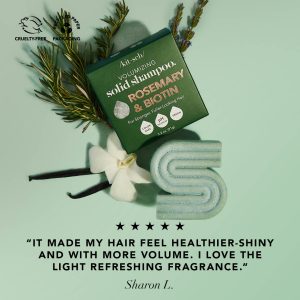
Original price was: $28.00.$14.00Current price is: $14.00.
Sale!
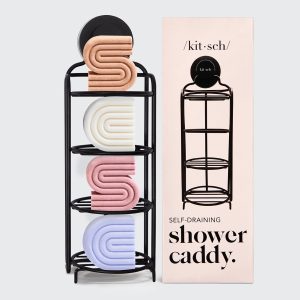
Original price was: $75.00.$20.00Current price is: $20.00.
top collections
what’s new
Sale!
Original price was: $24.00.$12.00Current price is: $12.00.
Sale!
Original price was: $30.00.$10.50Current price is: $10.50.
Sale!
Original price was: $5.00.$2.50Current price is: $2.50.
Sale!
Original price was: $66.00.$23.10Current price is: $23.10.
WE’VE ALWAYS BEEN OBSESSED WITH OUR CUSTOMERS & WE THINK
The Feeling Is Mutual
Our Story
Founded by Wisconsin native Cassandra Thurswell at the age of 25, Kitsch is a global beauty powerhouse built on positivity and pure hard work. The brand supports its growing community with easy, elevated beauty solutions that are totally reliable, truly special, and made as sustainably as possible. Beginning in 2010 with a business plan no longer than a paragraph, Kitsch now supplies a full range of beauty favorites in over 20,000 retail locations worldwide. A prominent entrepreneur featured in Forbes and Inc., Cassandra continues to create elevated, sustainable beauty solutions for every moment of the day.
Classic Recommendation.
Structural Repair and Environmental Defense
Addressing the Porosity Challenge
Hair porosity refers to how well the hair can absorb and retain moisture. Products designed for high-porosity hair focus on “filling in” the gaps in a damaged cuticle, while those for low-porosity hair prioritize lightweight hydration that won’t weigh the strands down. Understanding this biological trait allows for a more targeted selection of hair care items, ensuring that the formulas used are actually reaching the areas that need them most.
Heat Protection and Shielding
In a world where styling tools are common, the role of protective sprays and serums cannot be overstated. These products create a thermal barrier that slows down the conduction of heat, preventing the internal proteins of the hair from “melting” or becoming permanently distorted. By applying a protective layer before any styling, the hair’s natural strength is preserved, allowing for versatility in appearance without sacrificing health.
The Impact of Environmental Factors
Sunlight, wind, and varying humidity levels all take a toll on our hair. Advanced hair care lines now include UV filters and anti-pollution complexes. These ingredients act as an invisible veil, reflecting harmful rays and preventing microscopic pollutants from clinging to the hair fiber. This proactive defense is essential for maintaining color vibrancy and preventing the oxidative stress that leads to premature thinning or breakage.
Nighttime Care and Recovery
Hair care doesn’t stop when the sun goes down. Overnight treatments and leave-in elixirs work with the body’s natural circadian rhythms to repair damage. During sleep, the absence of environmental stressors allows the hair to fully absorb concentrated nutrients. Utilizing a nourishing oil or a lightweight milk before bed can significantly improve the texture and manageability of the hair the following morning.